Future of Work: The skills young people need to stay ahead
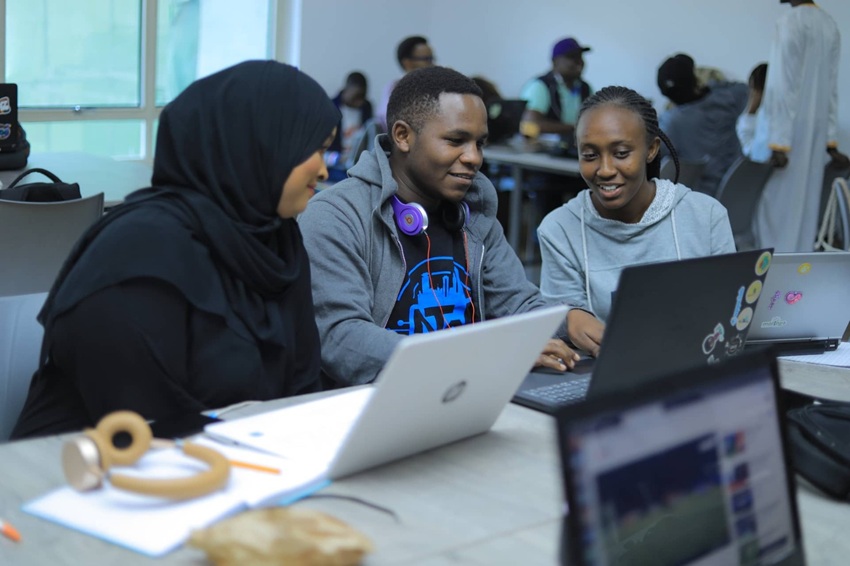
This story has significance for readers across Kenya and beyond.
The world of work is changing at a pace that is forcing both young people and employers to rethink what it means to be ready for a career.
Across East Africa, artificial intelligence, automation and wider digital transformation are reshaping jobs and changing the skills businesses expect from new employees. For young people preparing to enter the labour market, academic qualifications remain important, but they are increasingly only one part of the equation.
“We are seeing a shift towards demonstrated capability. Qualifications remain important, but employers also want to see how young people can apply what they have learned, whether through practical projects, portfolios, internships or other forms of workplace exposure,” says Sarah Ngetha, Director of Career Services at Moringa.
“The challenge for young people entering the job market is getting opportunities to build and demonstrate that experience.”
Internships, apprenticeships, mentorship and work-integrated learning are among the ways young people can gain exposure to real workplace environments. Beyond providing experience for a CV, these opportunities can help young people understand how their skills translate into the workplace and where they may need to develop further.
Technology is adding another dimension to that transition. As AI becomes embedded across industries, Sarah says preparing for the future of work is not simply about mastering the latest digital tools.
“AI is already changing how tasks are performed across industries, but it is about more than learning how to use the latest tools. Young people need to understand how technology can complement their skills while continuing to build capabilities that remain relevant as tools and roles evolve,” she said.
That ability to keep learning could become increasingly important as careers themselves become less linear. Where education was once viewed largely as a stage before employment, workers today may have to learn, retrain and acquire new capabilities several times over the course of their careers.
“Continuous learning is becoming an essential career skill. Young people are preparing not just for their first job, but for careers that may change direction several times.”
Technical knowledge, however, is only one side of the equation. As workplaces evolve, human skills can be just as important in helping young people navigate change.
“Communication, problem-solving, collaboration, curiosity and adaptability all matter alongside technical ability,” says Sarah. “Technology will continue to change how we work, so being able to adapt and apply your skills in different situations is increasingly important.”
Preparing young people for this changing environment also extends beyond what happens in the classroom. Connections between education and industry, together with internships, apprenticeships, graduate programmes and other forms of workplace exposure, are helping young people bridge the gap between learning and employment.
For Sarah, the bigger question is how young people can be prepared for a labour market whose opportunities will continue to evolve.
“We cannot only prepare young people for the jobs that exist today. The focus has to be on giving them practical experience, adaptable skills and a mindset of continuous learning so they are able to respond to new roles and industries as they emerge.”
Sarah Ngetha is the Director of Career Services, Moringa
Reporting originally appeared via KBC Digital. Read the full source for additional context.