NTV Kenya: New drug could wipe out HIV in newborns
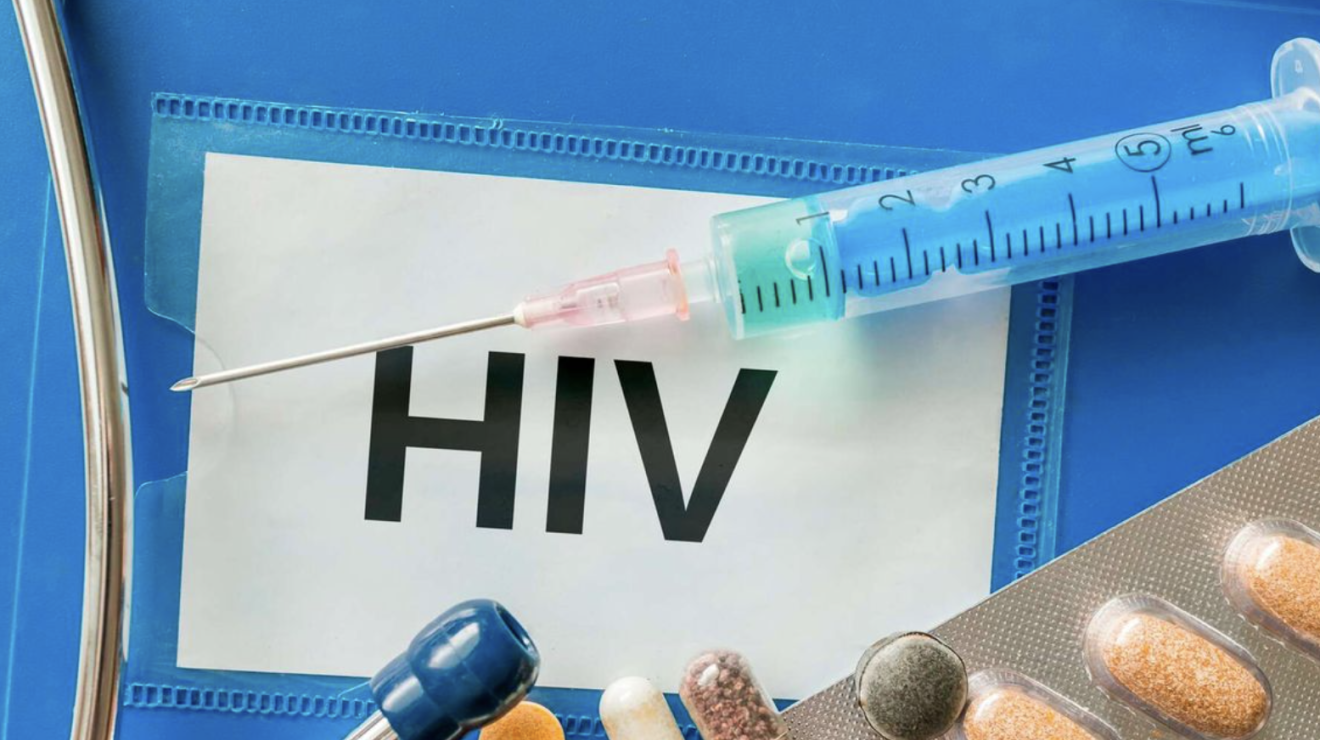
This story has significance for readers across Kenya and beyond.
New drug could wipe out HIV in newborns
A promising new treatment could permanently eliminate HIV in newborns, offering a lifeline to thousands of infants born with the virus in Kenya and around the world.
Globally, over 120,000 newborns are infected with HIV each year, condemning them to a lifetime of reliance on costly and often inaccessible drugs, and adding to the global health burden.
In Kenya, an estimated 13,936 new HIV infections were recorded in 2026, with the majority occurring among children, adolescents, and young people, according to the National Syndemic Diseases Control Council (NSDCC). Children aged 0–14 years accounted for 24.4 percent of all new cases, equivalent to 3,396 infections, highlighting that mother-to-child transmission remains a critical health challenge.
Every year, approximately 18,000 to 19,400 Kenyans die from AIDS-related illnesses, NSDCC data shows.
Globally, HIV/AIDS continues to be a major public health issue, contributing to about 570,000 deaths annually, including 510,000 adults and 61,000 children under 15, according to the World Health Organization (WHO).
Experts warn that persistent gaps in care, funding cuts, limited access to treatment, and the high cost of antiretroviral therapy (ART) threaten to reverse the progress made over the years.
In an effort to spare children from a lifelong battle with HIV, researchers have developed a one-time drug regimen that, if given to newborns within three days of birth, could completely clear the virus.
The new approach combines an experimental drug called leronlimab with standard HIV therapies.
Researchers at Oregon Health & Science University describe the findings as an “exciting” possibility. They believe the treatment could be tested in infants immediately, before being evaluated for effectiveness in adults.
“The next step after that is to test if this can work in newly exposed adults,” said study lead Professor Jonah Sacha, in research published Tuesday.
The groundbreaking study, conducted at primate research centers in California and Oregon, involved multiple collaborators and nonhuman primates. Three different treatments were tested: standard ART, neutralising antibodies, and the experimental drug leronlimab, which was developed by Professor Sacha.
Although each had been tested individually in the past and failed to completely eliminate the virus, Professor Sacha was skeptical that combining the three would improve outcomes. For years, he had worked on leronlimab, a drug designed to block HIV from using a surface protein to enter human immune cells.
The potential breakthrough, which could prove to be the holy grail for thousands of HIV-infected infants, came from combining leronlimab with existing therapies, an idea proposed by study co-author and longtime colleague Nancy Haigwood.
When infants were treated within 72 hours with a combination of broadly neutralizing antibodies, ART, and leronlimab, no evidence of replicating or latent virus, nor antiviral immunity, was observed one year after treatment was interrupted, the study reported.
The findings suggest a synergistic link between broadly neutralizing antibodies, ART, and CCR5 blockade in preventing the establishment of a viral reservoir. This offers potential improvements over current therapies for newborns exposed to HIV.
ART, the daily use of a combination of HIV medicines, is already approved for use in humans. However, broadly neutralising antibodies and leronlimab are still undergoing separate clinical trials.
Before the new three-part therapy can be rolled out widely, it will need to undergo clinical trials in humans, most likely in newly infected adult patients.
Researchers are optimistic, given the anatomical similarities between humans and nonhuman primates.
“There was no reason to think this would completely clear the virus,” said Professor Sacha. “It is one of those things you test and it works, and you have discovered something new.”
Prof Haigwood, a virologist and immunologist with decades of experience in HIV antibody research, added: “We were actually astounded and overjoyed. It is a remarkable result.”
How the drug works
While the exact mechanism remains unclear, researchers believe the combination treatment is more potent and effective than each therapy used alone. The ability of leronlimab to block HIV from entering immune cells via its surface protein appears to be a key factor.
“HIV really wants to use the CCR5 receptor to infect cells, for reasons we don’t fully understand,” said Sacha. He explained that by blocking access, “it is like you have kept fuel away from fire.”
Since the treatment has so far only been tested within a 72-hour window, researchers are now investigating whether it could still be effective beyond that timeframe.
“Could it work a week after infection? Two weeks? How far can you go after infection and still purge the virus?” Sacha asked.
Haigwood offered a different explanation of how the three-part therapy works, using the following analogy: Turning off the faucet: ART does not completely eliminate HIV, but it minimises the virus’s ability to replicate. Mopping up: Neutralising antibodies effectively control HIV, reducing the amount of virus circulating in the blood. Sealing off: Leronlimab blocks any remaining virus from infecting immune cells—similar to sealing a room with a watertight valve.
According to Haigwood, the combination is particularly potent during the early stages of infection.
“There is a lot more that goes on during the first week of infection than we previously thought,” she explained.
Experts say the findings suggest a “dynamic interaction between HIV and antibodies that occurs as the virus begins to spread.”
The study, titled “Combination therapy with broadly neutralizing antibodies, antiretroviral therapy and CCR5 blockade limits viral reservoir seeding in infant macaque model of HIV,” was published in the journal Nature Microbiology.
Paradise Lost peeks through the story of Louis Otieno, the times, and everything in between.
Reporting originally appeared via NTV Kenya. Read the full source for additional context.