Status Symbol or Smartphone? The Unseen Pressure of iPhone Ownership Among Youth
For many young people, particularly in rapidly digitizing societies like Kenya, owning an iPhone has transcended utility to become a powerful marker of social standing and personal achievement.
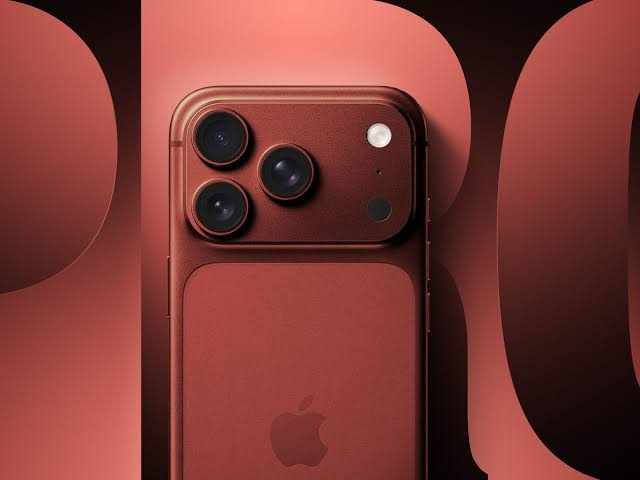
For a significant number of young people, acquiring an iPhone represents far more than simply purchasing a mobile device; it has become a potent symbol of social standing and a perceived milestone in one's personal journey. In vibrant, digitally connected societies across East Africa, including Kenya, the brand's allure is particularly strong, often signaling a certain level of success or arrival.
This pervasive pressure rarely manifests as explicit demands to buy the device. Instead, it subtly builds from observing friends, classmates, and colleagues showcasing the latest iPhone models. When an individual's immediate social circle largely appears to possess these high-end smartphones, the absence of one can foster feelings of being excluded or left behind, generating an unspoken expectation to conform.
For some youth, the ownership of an iPhone is intrinsically linked to a sense of 'having made it' – a personal declaration of independence, progress, or the financial capability to afford a luxury item previously considered out of reach. The transition from a basic feature phone or an older Android model to an iPhone can feel like a substantial personal accomplishment, even if their underlying financial circumstances have not fundamentally shifted.
The omnipresence of social media platforms further intensifies this dynamic. Young people are constantly exposed to images and videos featuring iPhones – whether used for photography, integrated into daily lifestyle content, or simply displayed prominently. This relentless visual reinforcement normalizes the iPhone as an essential component of a desirable lifestyle, inevitably leading to self-comparison and the perception that their current device is outdated.
Beyond initial acquisition, the pressure often extends to maintaining currency with the newest releases. Each new iPhone model, with its enhanced camera, refined design, and advanced features, sparks conversations among peers, making older versions seem less desirable, even if fully functional. This creates a relentless cycle where simply owning an iPhone is insufficient; there's an implicit drive to possess the latest iteration, pushing individuals who recently purchased an older model to consider an upgrade.
Such societal expectations can significantly influence financial decisions. Individuals may embark on prolonged saving plans, divert funds earmarked for other necessities, or actively seek unconventional means to acquire an iPhone, driven primarily by the desire to avoid feeling distinct or inferior among their contemporaries. This highlights the real-world economic impact of what is fundamentally a social and psychological phenomenon.
Ultimately, despite the significant social cachet it carries, an iPhone remains a smartphone designed for communication, photography, entertainment, and social engagement – functions readily available across a spectrum of other devices. The underlying impetus to own one largely stems from personal aspirations intertwined with societal comparisons and the desire for inclusion.
While for some, purchasing an iPhone is a genuine, informed choice, for many others, it is a decision heavily influenced by the powerful currents of peer pressure and the pursuit of perceived status. This analysis draws insights from reporting by K24 Digital.