Kenya's Vital Busia, Malaba Borders Grapple with Tech Deficits, Smuggling Amidst Revenue Surge
A parliamentary committee has uncovered critical operational hurdles at key East African trade hubs, even as revenue collection sees a significant boost.
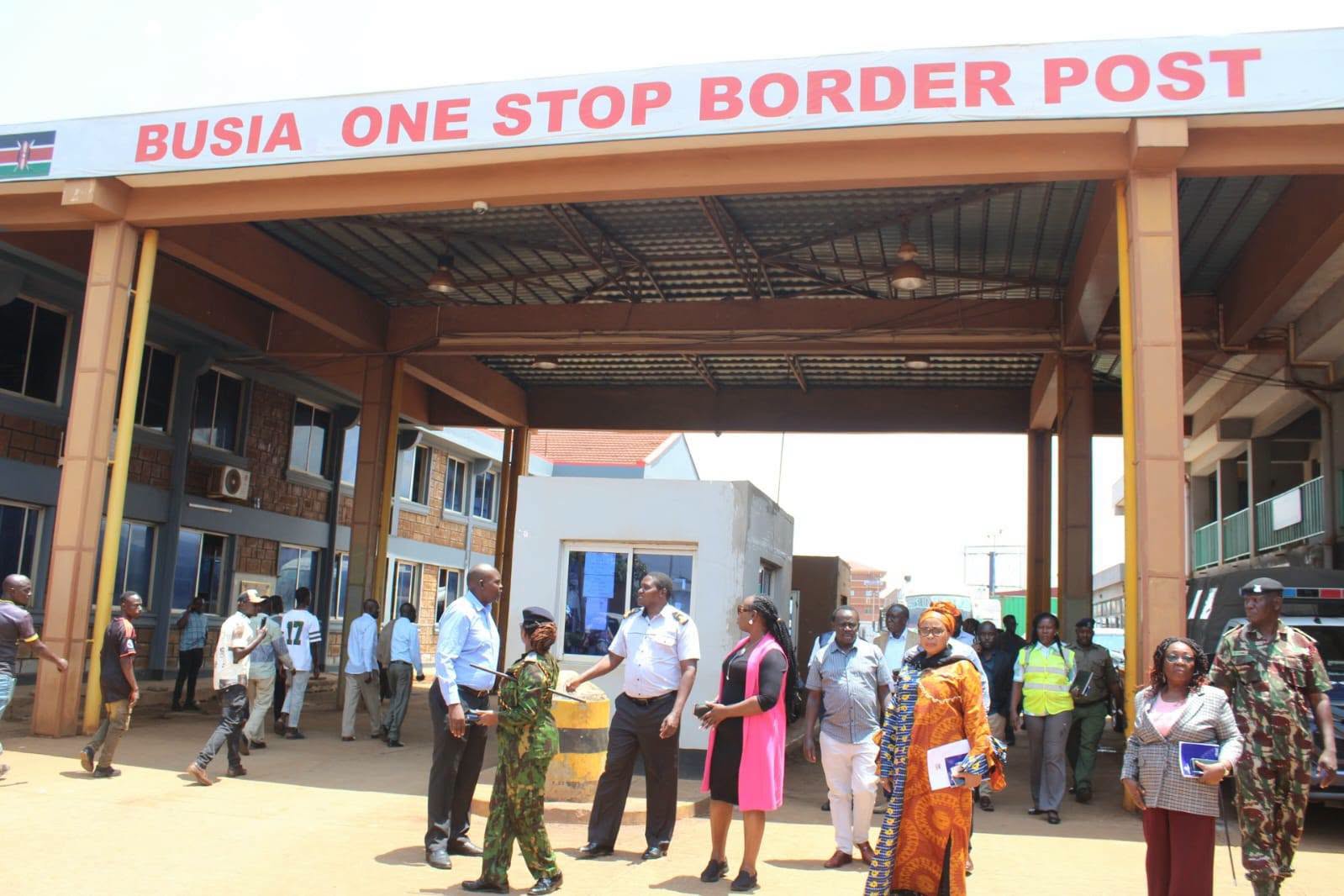
Key one-stop border points (OSBPs) at Busia and Malaba, crucial gateways for trade between Kenya and Uganda and the wider East African Community, are facing significant operational challenges, including technological deficiencies, inadequate parking, rampant smuggling, and various cross-border criminal activities. These issues were brought to light during a recent multi-agency stakeholder engagement by the National Assembly Select Committee on Regional Integration, which visited the facilities to assess their functionality and consult with government officials.
During their inspection, the committee, led by Chairperson Irene Mayaka, engaged with representatives from critical agencies like the Kenya Revenue Authority (KRA), the Immigration Department, and the East African Community. KRA officials, John Kiilu and Rodrick Safari, who oversee operations at Busia and Malaba OSBPs respectively, detailed the rigorous process of scanning incoming trucks from Uganda with 3D machines for safety and tax compliance, a procedure also applied to passenger luggage. However, they underscored that current technological gaps hinder effective border monitoring, advocating for more advanced machinery and the deployment of drones to combat revenue losses through ungazetted routes, which are exploited by smugglers and criminals. They further urged EAC partner states to harmonise tax rates to diminish the incentive for smuggling driven by price disparities.
Beyond technology, physical infrastructure poses another major impediment. Officials highlighted severe limitations in parking space for trucks awaiting clearance, warning that escalating cross-border traffic could exacerbate congestion. The committee was implored to champion the establishment of additional border points to alleviate pressure on existing facilities and accommodate the anticipated growth in trade and human movement over the next five years, a development vital for regional economic integration.
Despite these formidable challenges, the Busia and Malaba OSBPs have reported a notable increase in revenue collection, soaring from Sh900 million in the previous year to Sh1.4 billion. This growth is attributed to concerted efforts to strengthen border operations and enhance compliance among traders and other users. The committee also received an update on the proposed Jumuia Market at the Busia border, intended to foster inclusive cross-border trade. Joseph Atito, an official from the Ministry of East African Community, confirmed that the process of acquiring a title deed for the 40-acre site is ongoing, with project designs yet to be finalised before construction can commence.
In her concluding remarks, Chairperson Mayaka commended the dedication of government agencies at both border points for their strategies in facilitating trade and movement. Nevertheless, she strongly encouraged them to fully adopt the E-customs system, emphasising its potential to significantly boost efficiency and further augment revenue collection, thereby strengthening Kenya's position as a key trade facilitator within East Africa. (Reported by Kahawa Tungu)