The Enduring Legacy of Big Pun: A Hip-Hop Icon's Tragic Ascent and $3 Million Fortune
Christopher Lee Rios, known for his lyrical genius and groundbreaking debut, left an indelible mark on music before his untimely death at 28.
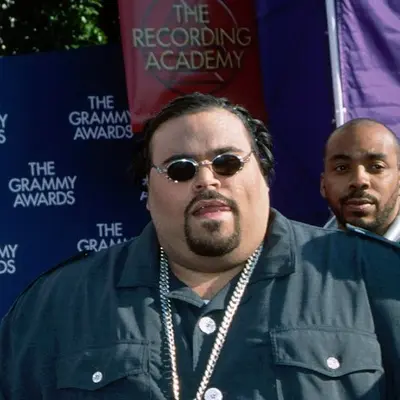
Christopher Lee Rios, universally known as Big Pun, carved out an indelible niche in hip-hop history as a formidable Puerto Rican-American lyricist and actor. At the time of his premature death in 2000, his estate was estimated to be worth $3 million. Emerging from the vibrant Bronx scene of the 1990s, Pun's distinctive flow and intricate wordplay quickly established him as one of his generation's most revered talents, leaving a significant cultural footprint that extended far beyond the United States.
Born on November 10, 1971, in the Bronx, New York City, Rios navigated a challenging youth marked by personal hardships, including homelessness and a severe battle with weight that saw him exceed 300 pounds in his early twenties. Despite these obstacles, his passion for hip-hop ignited in his late teens, leading him to form the underground group Full-A-Clips under the moniker Big Moon Dawg. A pivotal encounter in 1995 with fellow Bronx rapper Fat Joe proved transformative, leading to his feature on Joe's album Jealous One’s Envy and solidifying his presence within the burgeoning Latino hip-hop community, eventually adopting the name Big Pun.
Big Pun's mainstream breakthrough arrived with the remix of his track 'I’m Not a Player,' reimagined as 'Still Not a Player' with R&B crooner Joe. This chart-topping success paved the way for his groundbreaking 1998 debut album, Capital Punishment. The record soared to No. 5 on the Billboard 200 and made history as the first solo album by a Latino rapper to achieve platinum status. Critically lauded for its complex wordplay, rapid-fire delivery, and sophisticated rhyme schemes, Capital Punishment also garnered a Grammy Award nomination for Best Rap Album, cementing Pun's reputation as a lyrical powerhouse whose appeal transcended the underground.
Riding the wave of his debut's success, Big Pun joined Terror Squad, the collective spearheaded by Fat Joe, releasing The Album in 1999. While not matching his solo debut's commercial heights, it further cemented his standing in the rap world. However, beneath the surface of his burgeoning career, Pun grappled with severe health complications, primarily stemming from his escalating weight. Despite a temporary loss of 100 pounds after a program at Duke University, his weight reportedly neared 698 pounds shortly before his death, casting a shadow over his artistic achievements.
The escalating health crisis reached a tragic climax on February 7, 2000. After withdrawing from a scheduled Saturday Night Live performance just days prior due to illness, Big Pun suffered a fatal heart attack and respiratory failure while with his family in a New York hotel. Emergency efforts to revive him were unsuccessful, and he passed away at the tender age of 28. His untimely death sent shockwaves through the global hip-hop community, abruptly ending a career that was still ascending and leaving behind a profound void, felt by fans and artists alike, including those who draw inspiration from his craft in Kenya and across East Africa.
Even in death, Big Pun's creative output continued to thrive. His second studio album, Yeeeah Baby, completed after his passing, was released in April 2000, reaching No. 3 on the Billboard charts and quickly achieving gold certification. A compilation, Endangered Species, followed in 2001, also charting successfully. While plans for a second posthumous album in 2006 were unfortunately derailed by a publishing rights dispute, his legacy has been permanently etched into the landscape of his hometown. In March 2021, an intersection in the Bronx was officially designated Big Pun Plaza, a testament to his enduring impact on the borough and the wider music world. His story continues to inspire and resonate, a powerful reminder of talent, struggle, and the indelible mark left on culture.
This report draws on information initially published by Kahawa Tungu.