Kenya Greenlights Seven New Semaglutide Drugs, Expanding Treatment Options Amid Strict Usage Warnings
The Pharmacy and Poisons Board emphasizes that while these medicines share an active ingredient, their approved indications are distinct, particularly warning against unsupervised weight loss.
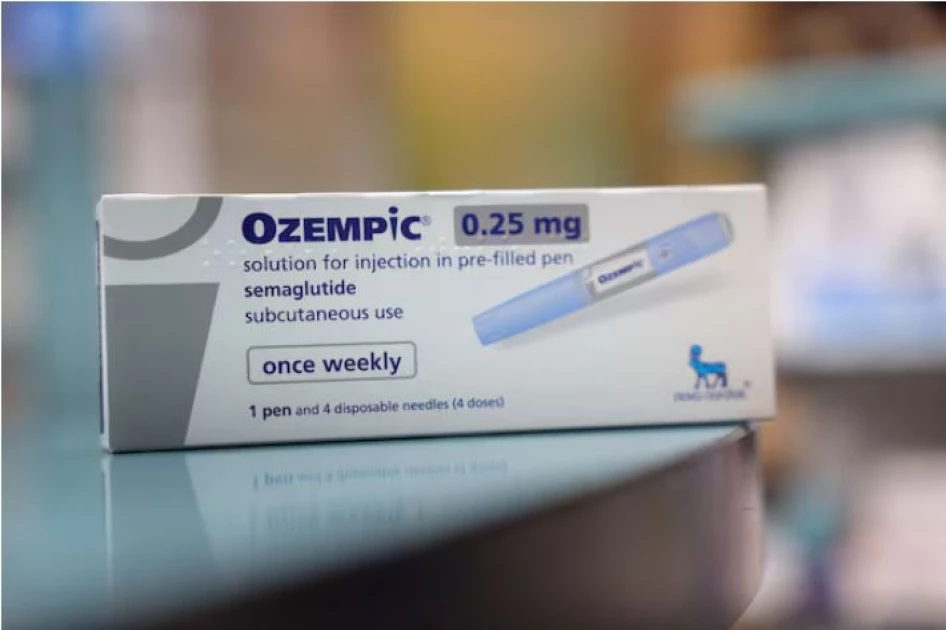
Kenya's pharmaceutical landscape for managing chronic conditions has significantly expanded following the Pharmacy and Poisons Board's (PPB) recent approval of seven new semaglutide-containing medications. This move introduces a range of new options for patients and healthcare providers, building upon the previously available Ozempic and Wegovy, both manufactured by Danish firm Novo Nordisk, and the recently launched generic Truglyx.
The approvals stem from a comprehensive regulatory evaluation of each medicine's quality, safety, and effectiveness. While all these products share semaglutide as their active ingredient, the PPB has underscored a critical distinction: their approved uses are not necessarily interchangeable. The regulatory body has also issued a stern warning against the use of any semaglutide medicine without proper medical supervision, especially when sought for weight loss.
Semaglutide functions as a prescription medication by mimicking a natural hormone within the body, which aids in reducing blood sugar levels and suppressing appetite. Its importance was globally recognized when the World Health Organisation (WHO) incorporated it into its Model List of Essential Medicines in September of the previous year, highlighting its therapeutic value in tackling prevalent health challenges.
Previously, Kenya's market for semaglutide included Ozempic, specifically approved for adults with inadequately controlled type 2 diabetes, to be used in conjunction with diet and physical activity. Similarly, the five newly registered generic semaglutide products have also received approval for the treatment of type 2 diabetes. However, Wegovy stands apart with an approved indication specifically for weight management in adults with a high body mass index (BMI), supporting both initial weight reduction and long-term maintenance alongside dietary and exercise regimens.
Dr. Ahmed Mohamed, Chief Executive Officer of the PPB, reiterated the non-interchangeability of these products. “While these products contain the same active ingredient, their approved uses are not necessarily interchangeable and must be understood with reference to the indication approved for each product,” Dr. Ahmed stated, emphasizing the need for precise prescribing based on specific product indications.
The increasing global popularity of semaglutide, particularly its perceived efficacy in weight loss, has led to growing concerns regarding its inappropriate and off-label use. The PPB has previously cautioned against the unsupervised application of semaglutide products, especially Ozempic, for self-directed weight loss, and strongly advises against purchasing these medicines from unauthorized channels. Dr. Ahmed stressed that semaglutide-containing medicines are strictly prescription-only and necessitate a thorough assessment and prescription from a qualified healthcare professional.
These expanded approvals are particularly significant for Kenya and the broader East African region, which face a escalating burden of non-communicable diseases such as diabetes and obesity. While the availability of more approved medicines offers healthcare providers additional treatment avenues, the regulator insists that appropriate prescribing, diligent monitoring, and comprehensive patient education remain paramount. The PPB's message to patients is unambiguous: semaglutide should not be viewed as a casual weight-loss solution, and the correct medicine, dosage, and indication must always be determined by a qualified healthcare professional, with products obtained through legitimate sources.
Reporting by The Horizon Wire, with information from Citizen Digital.