Kenya Eyes Million-Mortgage Goal, Unlocking Homeownership for Informal Sector with Innovative Credit Checks
A new government initiative seeks to leverage mobile money, SACCO savings, and rental records to expand housing finance beyond traditional employment models.
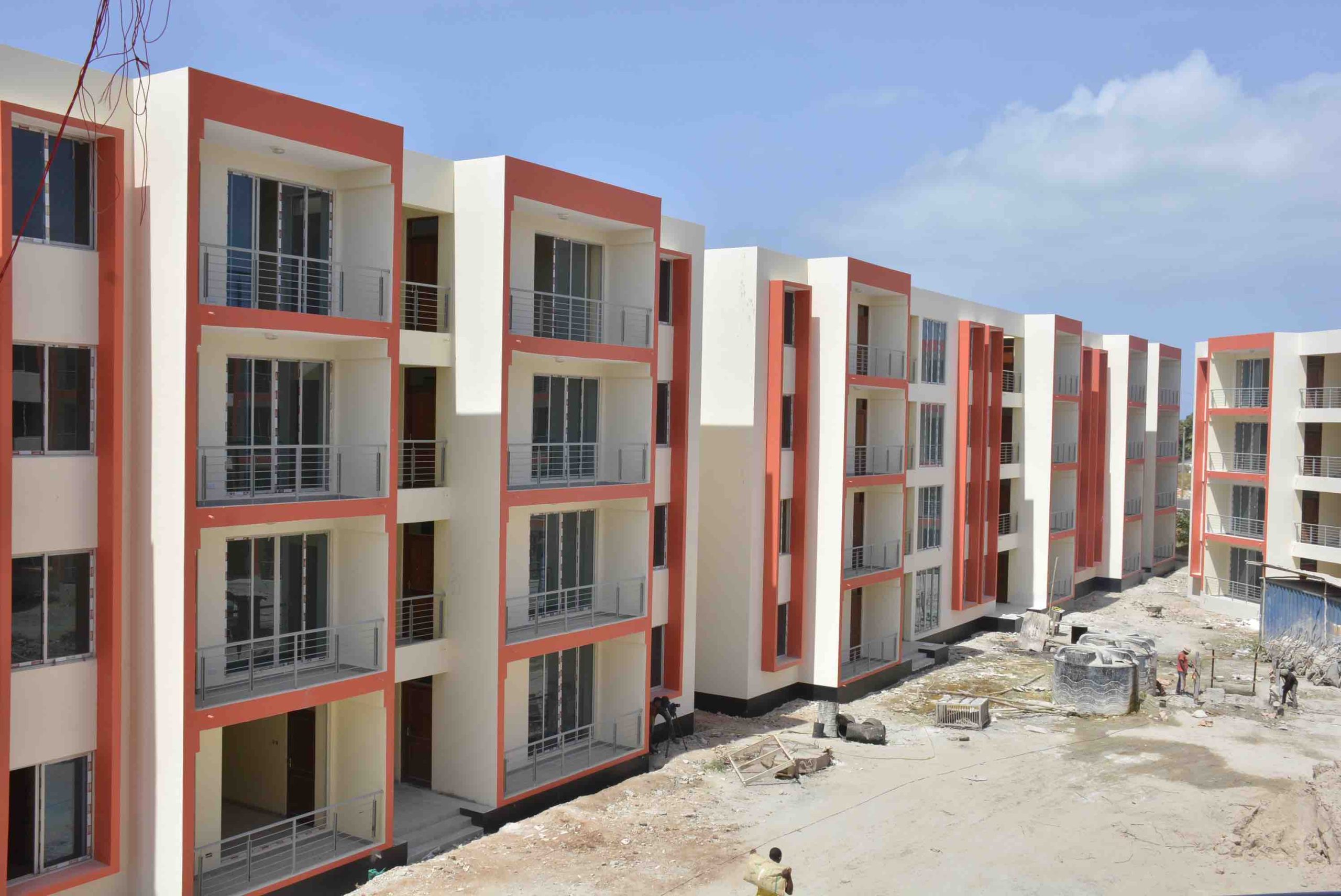
Kenya's government is spearheading a significant policy shift aimed at broadening access to mortgage financing, urging financial institutions to consider diverse indicators of creditworthiness beyond conventional formal employment records. This initiative seeks to integrate a vast segment of the population, including small business owners, farmers, and freelancers, into the formal housing finance market by recognizing mobile-money transaction histories, SACCO savings, rental payment records, utility bills, and business transaction data as valid proof of repayment capacity.
This strategic pivot is central to the government's accelerated affordable housing agenda. Charles Hinga, Principal Secretary for Housing and Urban Development, highlighted the scale of current efforts, noting that over 280,000 housing units are presently under construction, representing a contract value exceeding Sh731.5 billion and generating more than 640,000 direct and indirect jobs. By December, an estimated 45,000 units, valued at approximately Sh52 billion, are anticipated for completion. However, Hinga emphasized that true success lies not merely in construction volumes, but in ensuring affordability and eventual ownership for Kenyans. "Ownership is not a single door. It should be a corridor with several doors, each opening onto the same outcome," Hinga stated at the fifth Kenya Affordable Housing Conference in Naivasha, where policymakers and financial experts converged.
Hinga underscored the critical need for an expanded market capable of purchasing these new units, pointing out that traditional mortgage models inadvertently exclude millions of Kenyans with stable, albeit informal, incomes. He called on lenders to innovate, developing flexible assessment frameworks that mirror the varied ways income is earned and managed across the country. The proposed system, by validating alternative financial footprints, would provide robust evidence of income and repayment ability, opening doors for informal-sector workers. Furthermore, Hinga advocated for a standardized affordable housing mortgage, streamlining eligibility, underwriting, and documentation, which could attract greater long-term domestic institutional capital. The government also plans to integrate its Boma Yangu platform, which boasts over 1.29 million registered users, with financial institutions, linking registration to allocation and financing. The ultimate goal, as Hinga articulated, is to catapult Kenya from approximately 30,000 mortgages to one million, not just by building homes but by cultivating a robust market that enables Kenyans to acquire them. This approach holds significant relevance across East Africa and the wider continent, where informal economies dominate.
However, financial institutions caution that expanding mortgage access must go hand-in-hand with efforts to curb the cost of housing production. Caroline Wanjeri, KCB Kenya Director of Mortgage Business (whose remarks were delivered by George Laboso, Senior Manager, Affordable Housing at KCB Bank), identified constrained investment finance, escalating construction costs, and insufficient serviced land as key drivers of high property prices. KCB is adapting its strategy, moving beyond financing only completed units to supporting various stages of the housing development process. The bank also championed the adoption of alternative building materials, energy-efficient designs, sustainable construction, and climate-resilient infrastructure to lower costs and broaden the definition of affordability to include access to transport, water, and sanitation.
The challenge of financing housing for informal-sector workers resonates far beyond Kenya’s borders. Thierno-Habib Hann, Managing Director and CEO of Shelter Afrique Development Bank, highlighted that conventional housing finance models, which presuppose formal employment, reliable land records, and mature financial markets, often fall short in many African nations. Given that over 80 percent of Africa’s workforce operates within the informal economy, Hann stressed the imperative for housing finance models to reflect actual earning and saving patterns. He advocated for a multi-pronged approach, including blended finance, alternative credit assessment, capital-market instruments, green housing finance, and digital technologies, to democratize homeownership across the continent.
Johnstone Oltetia, CEO and Managing Director of the Kenya Mortgage Refinance Company (KMRC), reinforced the need to tackle both the supply of affordable homes and the accessibility of financing. "This year’s theme speaks to both the scale of the challenge and the promise before us: to close the twin gaps that constrain access at scale," Oltetia remarked. He issued a powerful call to action for lenders, policymakers, and developers to transcend mere commitments and translate housing plans into tangible homeownership. "Let this be the conference where we stop measuring housing by what we plan, and start measuring it by what we deliver," he urged.
As Kenya enters a pivotal phase of its affordable housing programme, the government is keen to demonstrate that increased construction activity can genuinely lead to homeownership for ordinary households. The ultimate test will be whether mortgage providers, SACCOs, development finance institutions, and capital markets can scale up financing mechanisms swiftly enough to match the growing pipeline of housing units. The two-day Kenya Affordable Housing Conference 2026, themed “Scaling the Base: Unlocking Inclusive and Sustainable Housing Solutions,” brought together diverse stakeholders to chart this ambitious path forward, according to Kahawa Tungu.