Morocco Enacts Sweeping Animal Welfare Law Amidst World Cup Scrutiny
New legislation aims to standardize stray animal management and address international criticism ahead of the 2030 FIFA World Cup.
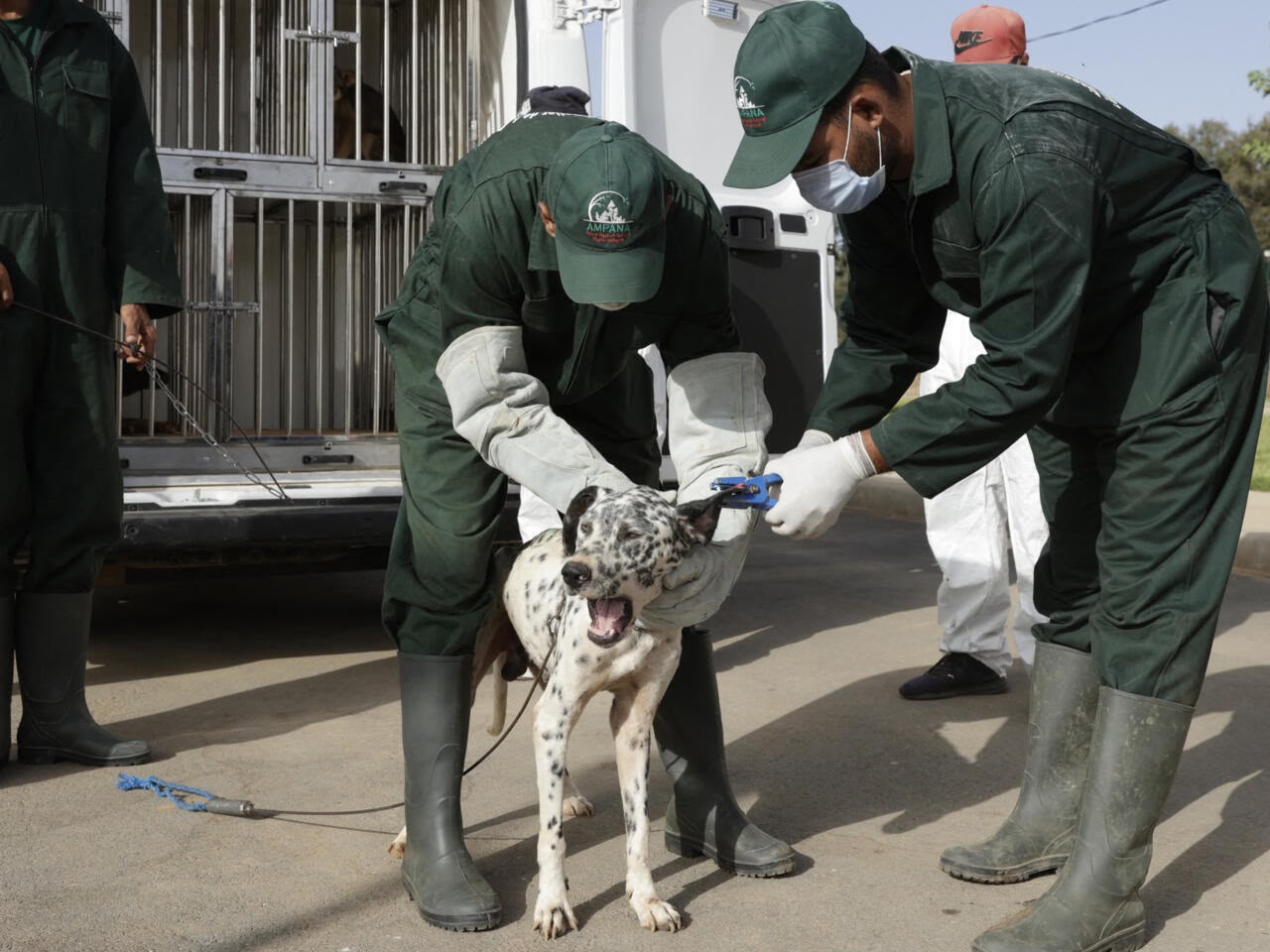
Morocco has implemented a new national legal framework to govern the protection and management of stray animals, a move effective August 14. Law No. 19.25, officially promulgated on August 10 and published in the Official Gazette, establishes a unified system designed to balance animal welfare with public health imperatives. This legislative action coincides with Morocco's preparations for the 2030 FIFA World Cup and follows a period of international concern regarding the treatment of animals within the kingdom.
The newly enacted law replaces previously fragmented local and ad-hoc approaches with a consistent institutional structure. Key provisions include regulating the establishment and operation of animal reception and care centers, instituting a national animal registration system, and creating a centralized database for tracking. The legislation, which had garnered strong parliamentary support with 74 votes in favor and 21 abstentions in the House of Representatives, was presented by Minister Delegate Mustapha Baitas on behalf of Agriculture Minister Ahmed Bouari.
The timing of this legislation holds particular significance as Morocco, alongside Spain and Portugal, gears up to co-host the 2030 FIFA World Cup. In recent months, the issue of stray animal management has become a sensitive international topic. Reports from foreign media and global animal welfare organizations have accused Moroccan authorities of employing culling campaigns to reduce animal populations in public spaces ahead of the prestigious tournament. These widely circulated allegations have placed considerable pressure on Rabat, which has consistently affirmed its commitment to a humane strategy centered on animal protection, sterilization, and comprehensive care.
This regulatory shift aims to address both animal welfare principles and public health concerns, specifically targeting the prevention of diseases transmissible by stray animals and clarifying the responsibilities of various governmental bodies. For African nations like Morocco, hosting a global event such as the FIFA World Cup presents a unique opportunity to showcase not only infrastructure but also adherence to international standards across various sectors, including animal welfare. As the second African country to co-host the World Cup, after South Africa in 2010, Morocco's approach will be closely watched, setting a precedent for regional commitment to such standards.
While the legal framework is now in place, its ultimate success hinges on practical implementation. Challenges remain, including securing adequate funding, expanding sterilization capabilities, establishing a sufficient network of reception centers, and ensuring active involvement from local authorities. Crucially, the law's effectiveness will be measured by the complete cessation of the elimination methods previously criticized by animal welfare groups.
For Rabat, the implications of this legislation extend beyond mere animal management; it will significantly impact the country's international image and its capacity to meet the animal protection benchmarks expected by global organizations. With the 2030 World Cup drawing closer, how Morocco translates this law into tangible action will be a critical test of its global standing and commitment to modern governance. This report draws on information from KBC Digital.